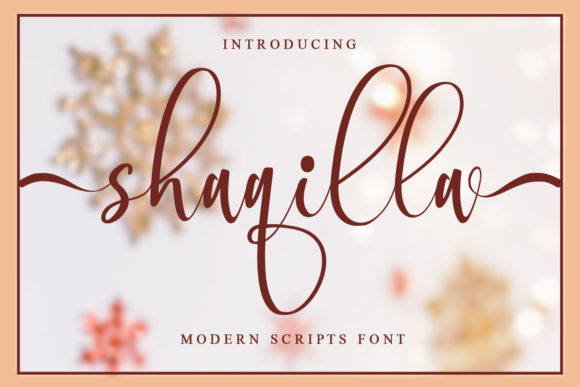
Shaqilla: A Handwritten Font for Elegant Web Design
As a web designer, I'm always on the lookout for fonts that can add a touch of elegance and personality to my projects. Recently, I came across Shaqilla, a flowing handwritten font that caught my eye with its classic yet friendly style. Intrigued, I decided to test it in a real website layout to see how it would perform.
First Impressions: Testing Shaqilla in a Hero Section
I started by using Shaqilla in the hero section of a boutique online store. The font's elegant curves and natural flow made it perfect for a large, attention-grabbing headline. The result was stunning; the text felt both inviting and sophisticated, setting the right tone for the brand. The font's authentic feel brought a human touch to the digital space, making the site feel more personal and engaging.
Responsive Readability: How Shaqilla Performs on Mobile
One of the most critical aspects of web design is ensuring that the font remains readable and visually appealing across all devices. I tested Shaqilla on various mobile screens and found that it scaled well, maintaining its charm even at smaller sizes. However, I noticed that for very small text or dense information, the decorative elements could become a bit challenging to read. For these cases, I recommend using Shaqilla for larger headings and pairing it with a clean sans serif font for body text.
Visual Hierarchy and Brand Consistency
Creating a strong visual hierarchy is essential for guiding users through a website. Shaqilla excels in this area, as its distinctive style naturally draws the eye. I used it for section headings and call-to-action areas on a coaching website, and it worked beautifully. The font's classic style added a sense of professionalism and trust, which is crucial for a coaching brand. Additionally, Shaqilla helped maintain brand consistency across different pages, reinforcing the brand's identity.
Font Pairing and Web Design Best Practices
When it comes to font pairing, Shaqilla works best with a simple and clean companion. I paired it with a modern sans serif font for the body text, which created a nice contrast and improved overall readability. This combination allowed the handwritten font to stand out in key areas while keeping the rest of the content easy to read. For a more editorial look, a serif font could also be a great choice, adding a touch of sophistication to the design.
Practical Tips for Using Shaqilla in Web Design
- Hero Titles and Headings: Use Shaqilla for large, impactful titles and section headings. Its elegant style makes it ideal for grabbing attention and setting the tone.
- Call-to-Action Buttons: While Shaqilla can work for CTA buttons, make sure the text is not too long and the button size is adequate to ensure readability.
- Logo Text and Decorative Accents: The font's unique character makes it a great choice for logo text or decorative accents, adding a personal and creative touch to your brand.
- Image Overlays: Place Shaqilla over images for a beautiful, cohesive look. Just make sure there is enough contrast between the text and the background for clarity.
It's important to note that Shaqilla may not be the best choice for long-form content, small navigation text, or form labels. These areas require high readability and quick scanning, so a simpler, more legible font is generally better suited.
Final Considerations for Web Designers
Before using Shaqilla in your web projects, make sure to check the included styles, alternates, and weights. Also, verify that the font supports the languages you need and that you have the appropriate commercial licensing for web use. Many premium fonts, including Shaqilla, come with webfont versions, which are optimized for fast loading and smooth rendering on the web.
In conclusion, Shaqilla is a versatile and elegant handwritten font that can elevate the visual appeal and emotional impact of your web designs. Whether you're working on a creative portfolio, a boutique online store, or a coaching website, Shaqilla can help you create a memorable and engaging user experience. Just remember to balance its decorative nature with practical considerations to ensure the best possible outcome for your project.